

Seminar on Strategic Science, Technology, and Innovation Programs for the Industry and Trade Sector (2026–2030)
On March 23, 2026, the Agency for Innovation, Green Transformation, and Industrial Promotion, in collaboration with Ho Chi Minh City University of Industry and Trade (HUIT), organized a seminar titled "Building Science, Technology, and Innovation Programs in the Industry and Trade Sector." This initiative aimed to implement the Politburo's Resolution No. 57-NQ/TW dated December 22, 2024, regarding breakthroughs in science, technology, innovation, and national digital transformation. During the session, delegates discussed the strategic orientation of science, technology, and innovation tasks for the 2026–2030 period.
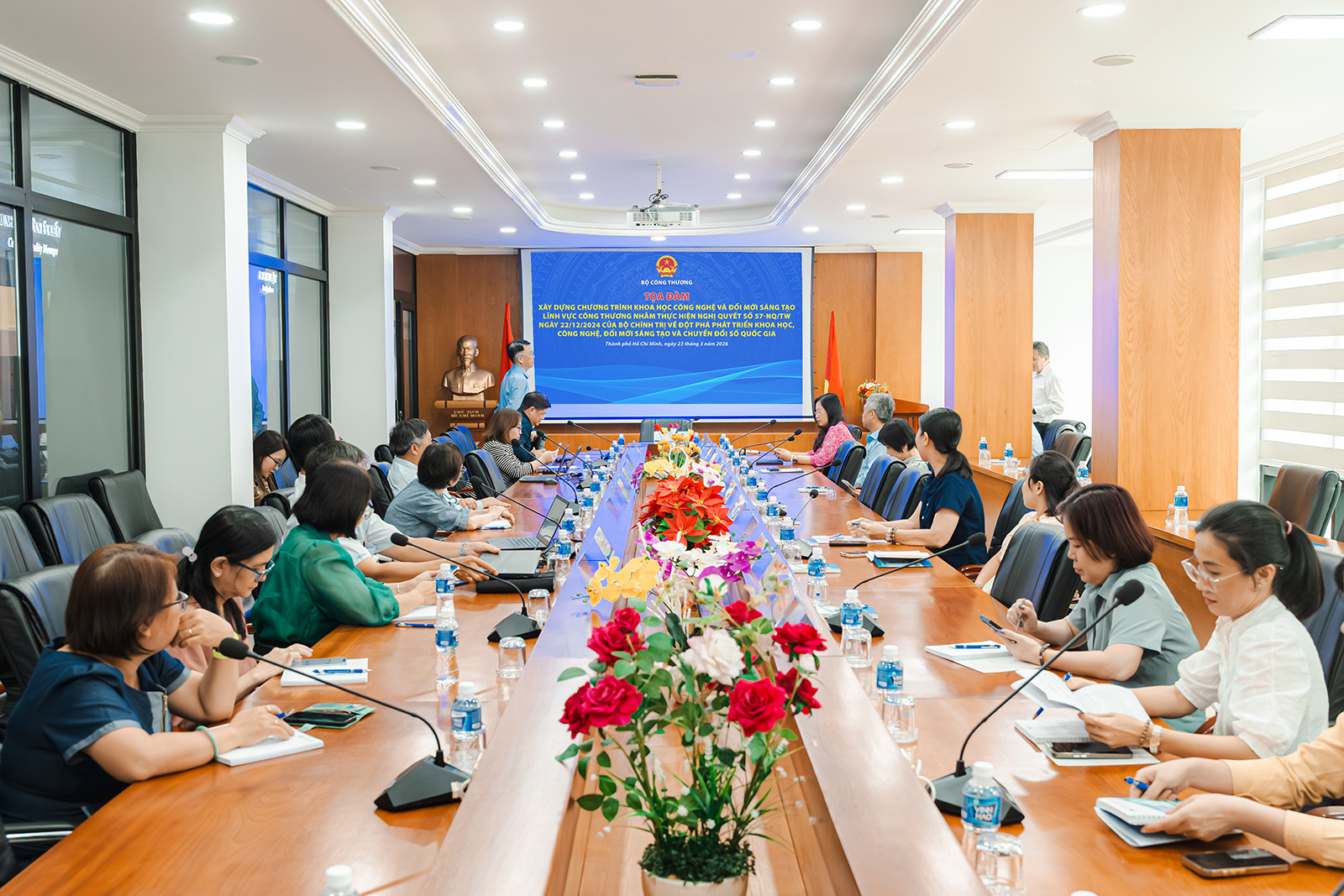
Overview of the seminar on the orientation for building Science, Technology, and Innovation programs in the Industry and Trade sector for the 2026–2030 period.
The event was chaired by Dr. Nguyen Viet Tan, Deputy Director of the Agency for Innovation, Green Transformation, and Industrial Promotion, focusing on realizing breakthrough goals in national scientific development and digital transformation. The seminar saw broad participation from experts and leaders of prestigious research and training institutions, including: Industrial University of Ho Chi Minh City, Nong Lam University of Ho Chi Minh City, Ho Chi Minh City University of Technology (VNU-HCM), Nguyen Tat Thanh University, Saigon Technology University, Cao Thang Technical College, the Oil and Oil Plant Research Institute, and the Ho Chi Minh City Biotechnology Center.

Dr. Nguyen Viet Tan – Deputy Director of the Agency for Innovation, Green Transformation, and Industrial Promotion, speaking at the seminar.
Within the framework of the working session, representatives from the Agency emphasized five core orientation pillars: innovating order management mechanisms, industrial restructuring, biotechnology development, promoting comprehensive digital transformation, and strictly managing quality standards for goods. Science and technology tasks will be classified into two main categories: Strategic Technologies with high impact (such as textiles and agro-forestry-fisheries) and Fundamental Driving Force Technologies (such as missile development or nuclear power).

Meritorious Teacher, Assoc. Prof. Dr. Le Thi Hong Anh – Vice Rector of Ho Chi Minh City University of Industry and Trade, contributing ideas at the seminar.
Contributing ideas at the seminar, Meritorious Teacher, Assoc. Prof. Dr. Le Thi Hong Anh, Vice Rector of HUIT, recommended the continuous update of current legal regulations on the Agency's website to support scientists during the application and implementation process. She also proposed more flexible mechanisms for principal investigators of urgent ordered projects. Simultaneously, Assoc. Prof. Dr. Dam Sao Mai, Vice Rector of the Industrial University of Ho Chi Minh City, and Dr. Nguyen Hai An, Director of the Ho Chi Minh City Biotechnology Center, expressed interest in transparent financial mechanisms and specific procedures for purchasing specialized technology know-how. Many in-depth technical research directions were proposed, such as applications in smart extraction systems, development of plant-based alternative proteins, and byproduct processing technology towards a zero-waste green production model. Specifically, Ms. Thai Nguyen Quynh Thu, Deputy Director of the Oil and Oil Plant Research Institute, emphasized the importance of specialized research on oil and oil plants within the sustainable development structure of the industry and trade sector.
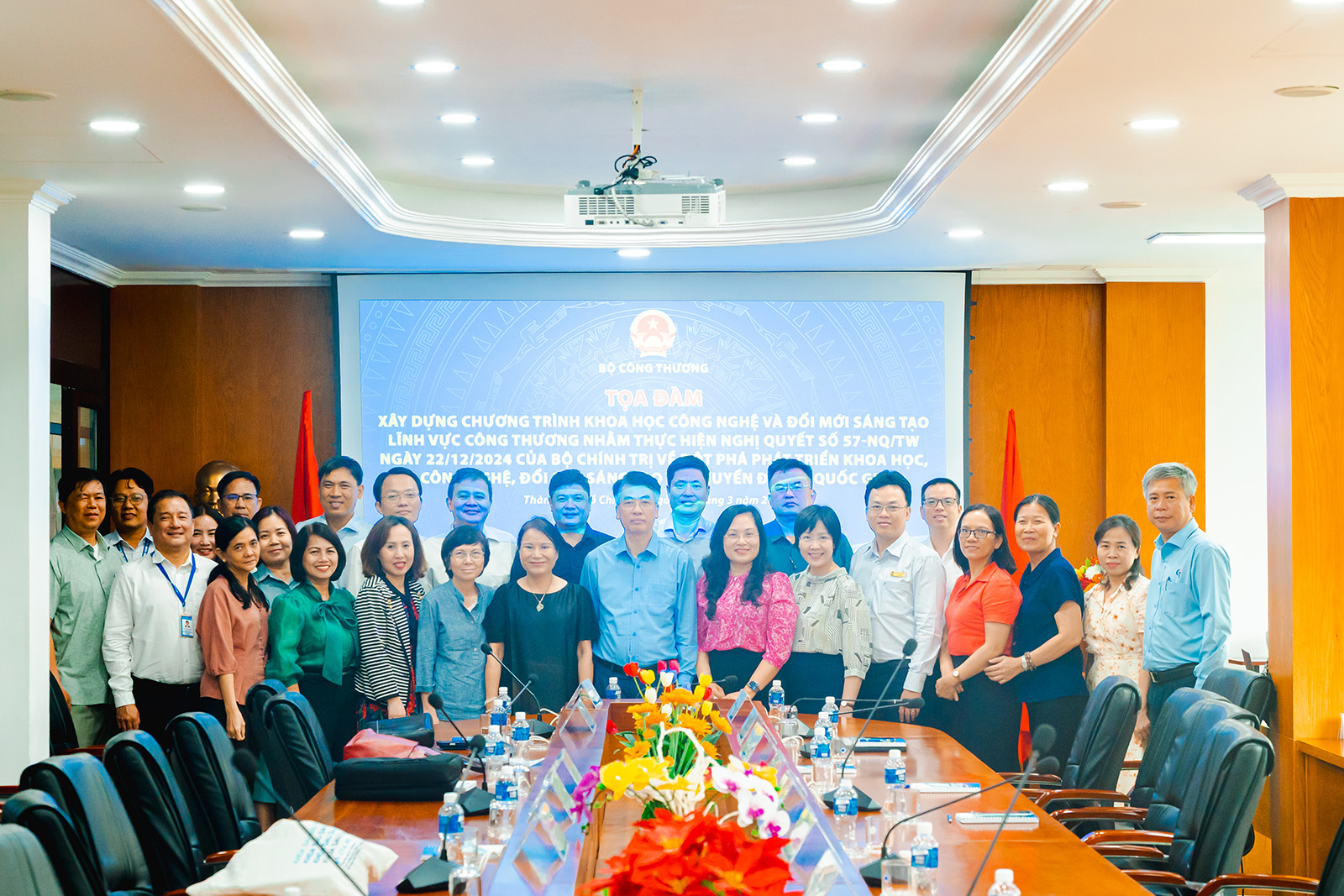
The seminar concluded with clear orientations for the development of science, technology, and innovation programs in the Industry and Trade sector for the 2026–2030 period.
At the conclusion of the seminar, the parties agreed that science and technology tasks in the coming period must have clearly identified applications, link closely with business activities, and bring practical economic benefits without necessarily depending on excessive funding. Optimizing the valuation process for intellectual property assets and supporting funding for prototypes were also considered key factors for effectively bringing scientific research from universities to the market. Deputy Director Nguyen Viet Tan highly appreciated the contributions from HUIT and other units, affirming that the Agency will absorb and perfect the regulations and list of tasks to soon submit to the Ministry leadership for approval, creating a leverage for the development of the Industry and Trade sector in the digital era.
HUIT Website Editorial Board
Department of Admissions and Communication
See more :
- Official Dispatch No. 1514/BCT-TCCB dated March 10, 2026, from the Ministry of Industry and Trade on launching participation in the writing contest themed "Warm and Loving Family Meals"
- Ho Chi Minh City University of Industry and Trade Reviews Science and Technology Activities 2024–2025: Honoring, Connecting, and Developing
- HUIT Signs Memorandum of Understanding with HINU Nutrition Application and Development Co., Ltd.
- HUIT Successfully Organizes the "Happy Kitchen" 2026 Contest